Vitamin C is like a little superhero for your immune system. It's a powerful antioxidant that helps protect your body from harmful free radicals. These free radicals can cause damage to your cells, making it easier for sickness to sneak in. By boosting your intake of Vitamin C, you're giving your immune system a fighting chance.
One of the key roles of Vitamin C is its ability to stimulate the production of white blood cells. These cells are crucial for defending your body against infections. The more white blood cells you have working on your side, the better protected you are from getting sick. So, adding Vitamin C-rich foods like oranges, strawberries, and bell peppers to your diet can really amp up your body's defenses.
But it's not just about fighting off illness. Vitamin C also helps your body absorb iron from plant-based foods. This is especially important for maintaining energy levels, which can dip when you're fighting off an infection. Plus, having enough iron means your body can transport oxygen more efficiently, keeping you feeling vibrant and ready to take on the day!
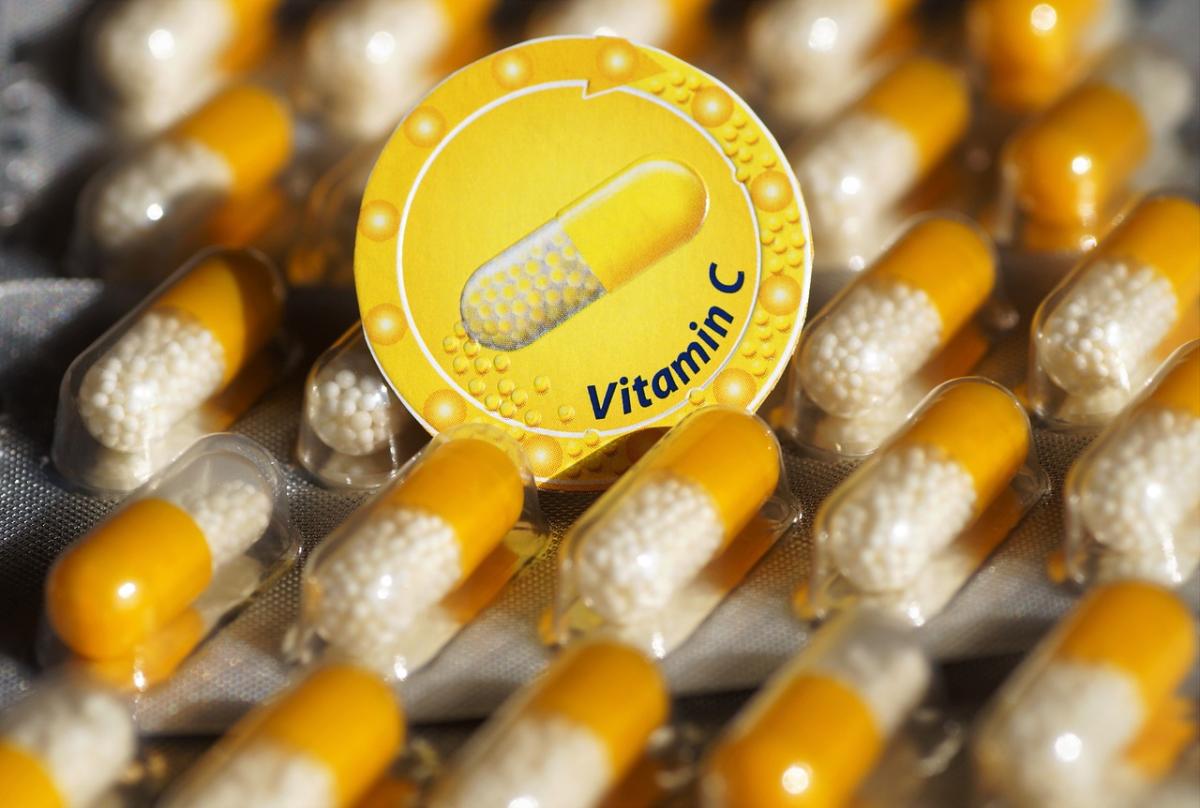
If you're worried about getting enough Vitamin C, remember that supplements are an option too. There are plenty of tasty and easy-to-take options available. Just make sure to pick a reputable brand, and check with your healthcare provider if you're unsure about the right dosage for you.
- Food Sources Packed with Vitamin C
Looking to give your immune system a boost with some tasty treats? Loading up on Vitamin C is a fantastic way to support your body, and the good news is there are plenty of delicious foods that can help you do just that. Here’s a list of some top food sources packed with this essential nutrient.
Adding these foods to your grocery list is a delicious way to enhance your Vitamin C intake. Mix and match them in smoothies, salads, or simply snack on them throughout the day. Your immune system will thank you!
- How to Choose the Right Supplements
Choosing the right supplements can feel a bit overwhelming, especially with so many options out there. But don't worry, I’ve got some tips that can help simplify the process! When it comes to picking vitamins, start by considering your daily diet. If you’re already eating a variety of fruits and veggies, you might not need as much supplementation. However, if you find you're not hitting those targets, a good vitamin C supplement might be just what you need.
Next, think about the form of vitamin C that feels right for you. There are tablets, gummies, powders, and even liquids. Some people swear by gummies because they’re tasty and easy to take. Others prefer powders that you can mix into smoothies or water. Try to pick a form that you’ll actually enjoy using, so you’ll stick with it.
It’s also a good idea to check the dosage. Most experts recommend a daily intake of about 500 to 1000 mg for adults, but this can vary based on your needs. If you’re unsure, consulting with a healthcare professional can help you find the right amount for your lifestyle.
Lastly, be on the lookout for quality. Look for brands that are transparent about their sourcing and have good reviews. Products with third-party testing are often a safe bet because it shows they’ve been independently checked for quality and potency. Trusting the brand you choose can make a big difference in your supplement journey!
- Tips for Maximizing Your Vitamin Intake
Getting the most out of your vitamin C intake can really give your immune system a boost. Here are some simple tips to help you maximize those vitamin benefits.
First off, try to incorporate a variety of vitamin C-rich foods into your meals. Citrus fruits like oranges and grapefruits are popular, but don't forget about strawberries, bell peppers, and even broccoli! Mixing things up not only helps you enjoy different flavors but also ensures you're getting a range of nutrients.
Cooking can sometimes reduce vitamin C levels, so opt for raw or lightly cooked veggies whenever possible. For instance, tossing some fresh spinach in a salad or enjoying a bell pepper as a snack preserves the vitamin content. If you do cook them, steaming is one of the best options to keep the nutrients intact.
Timing can also play a role in how much vitamin C you absorb. Pair your vitamin C-rich foods with meals that contain iron or certain fats. For example, having strawberries in a spinach salad with nuts can improve the absorption of both iron and vitamin C. It’s a tasty way to get more from your food!
Lastly, don't forget about supplements if you need a little extra help. If you're feeling under the weather or you're not getting enough vitamin C through your diet, a supplement can fill in the gaps. Just make sure to choose one that suits your needs and consult with a healthcare provider if you have any questions.